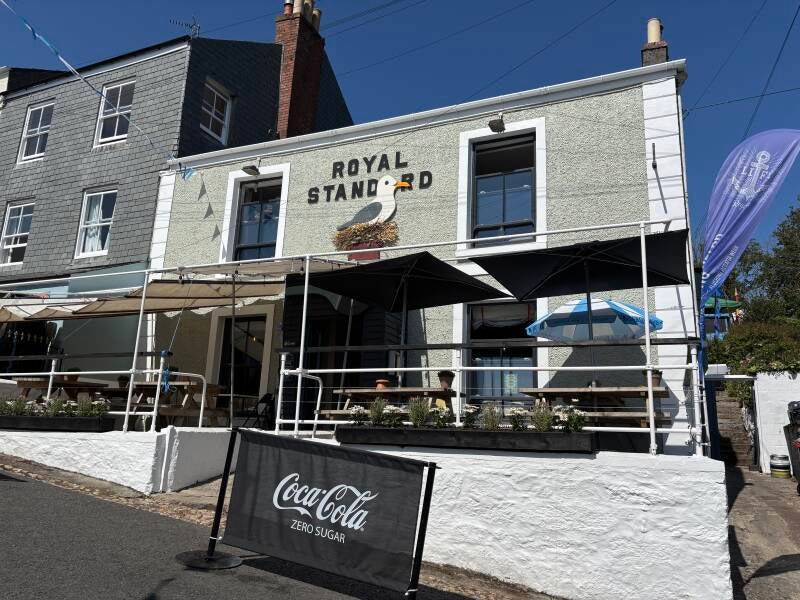
The Royal Standard, Flushing
Flushing & Mylor Pub Walk – Harbours, Packet Ships and Hidden Creeks, 4 miles
Try this Pub & Walk
Some villages you discover by accident that then become part of family memories forever. Flushing is one of those places for me.
Despite sitting opposite Falmouth, only a short ferry ride away, it feels like a world apart. You have to choose to go there; most visitors naturally head towards Falmouth, Penryn or the renowned sailing centres around Mylor and Restronguet. That relative seclusion has helped Flushing retain its identity as a proper Cornish village, where harbour walls, sailing boats, local shops and community life remain at the heart of the place.
For our family, Flushing became a place of happy holidays: messing about in boats, crabbing from the harbour wall and swimming from the quay. Returning years later, it was reassuring to find that much of its charm remains unchanged.
Yet beneath this quiet village lies a remarkable history. Originally known as Nankersey, Flushing was shaped by Dutch craftsmen, maritime trade and the famous Falmouth Packet Service (see Notes below), whose captains and crews helped connect Britain with the wider world.
This circular walk explores the village's relationship with the harbour, following the shoreline towards Mylor before returning through the landscape of the Trefusis Estate. It is a walk through a place shaped by the sea, where centuries of maritime history sit comfortably alongside everyday village life.
The Royal Standard provides the perfect finish: a welcoming village pub serving locals, sailors, walkers and visitors with great food, sensible prices and genuine Cornish hospitality.
About The Royal Standard, Flushing
Last visit: July 2026
The Royal Standard feels as though it belongs to Flushing because, historically and today, it does.
Standing at Number 1 St Peter's Road, it occupies a position of some significance in the village. Next door is Nankersey House, a reminder of Flushing's original Cornish identity before the village was transformed by maritime trade. The pub itself was once the Royal Hotel (also known historically as the Standard Hotel), and sits among the fine houses of St Peter's Hill and Trefusis Road, many enjoying magnificent views across the harbour and Carrick Roads, the Fal Estuary.
These houses tell the story of another era, when Flushing was home to the captains, agents and families connected with the famous Falmouth Packet Service. The village was once a place of international importance, with ships carrying Britain's mail, messages and commerce across the world. The Royal Standard stands within that maritime landscape, although today its role is a much simpler and equally important one: providing a welcoming village pub.
While Harbour House has brought a more ambitious dining offer to Flushing, The Royal Standard has remained true to its purpose. It caters brilliantly for locals, sailors, walkers, families and visitors looking for great food, a friendly atmosphere and prices that encourage people to return.
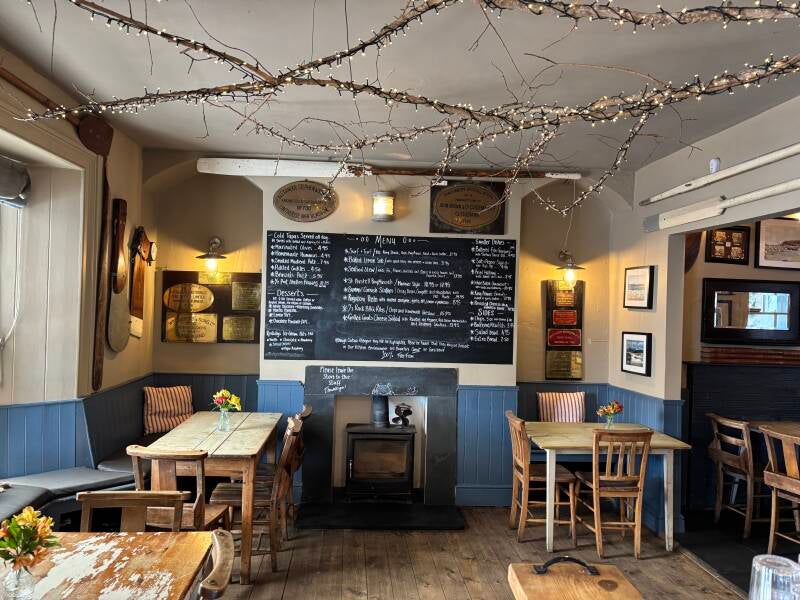
That confidence was clear from the moment I looked at the menu. The food was imaginative without becoming complicated, and the value was noticeably better than many comparable Cornish pubs. When I commented on this, the response was straightforward: "Our customers want great food at great prices. If they want great food and inflated prices, the village caters for that too."
It is a pub that understands its audience.
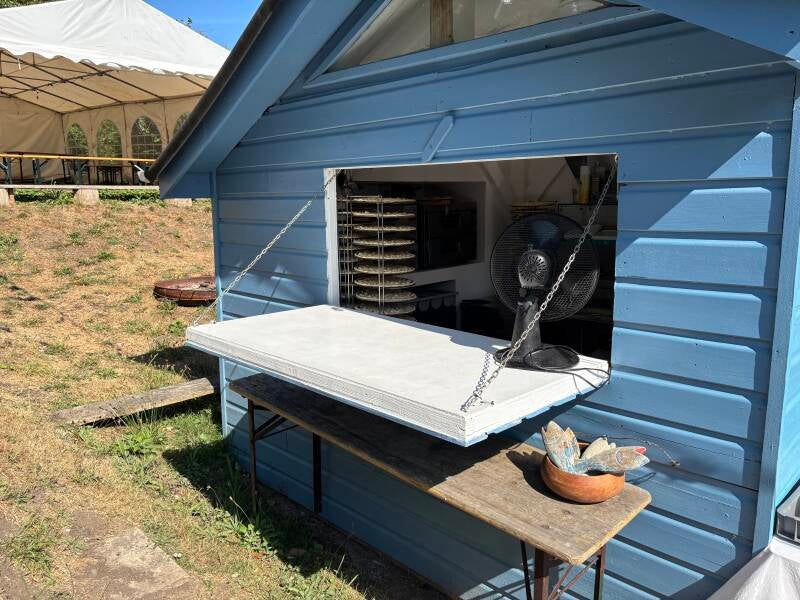
The front terrace is a wonderful sun trap in the late afternoon and evening, while the large rear garden provides space for families, live music and the much-loved Pizza Shed — definitely not a Pizza Hut! On the evening of my visit, they were expecting to sell more than sixty pizzas, while a marquee had been erected ready for a band later that night.
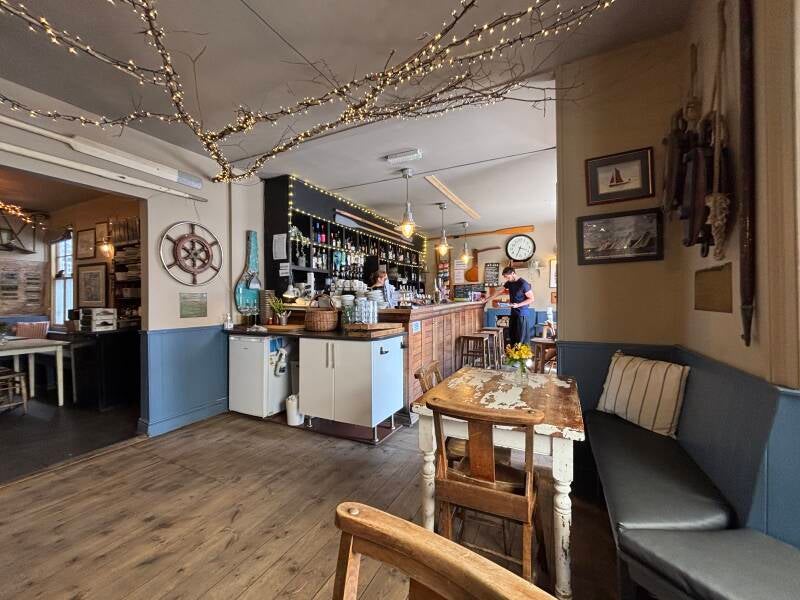
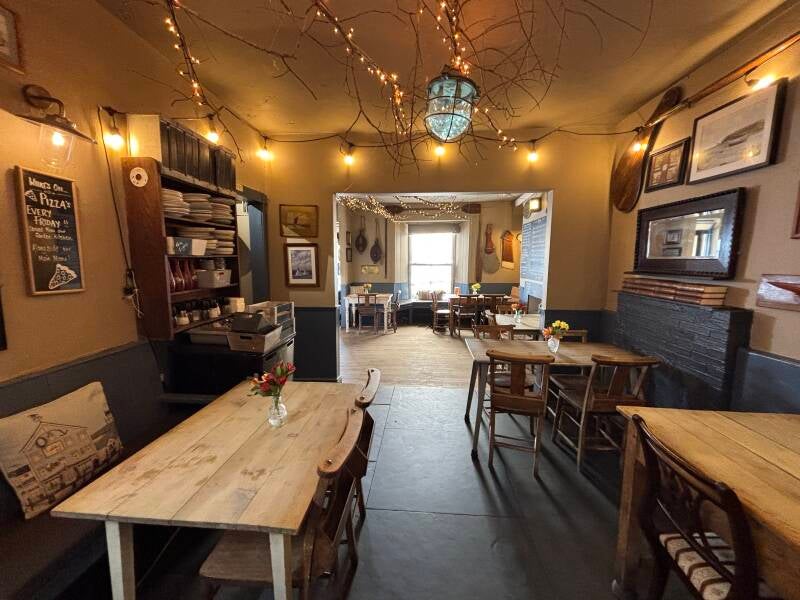
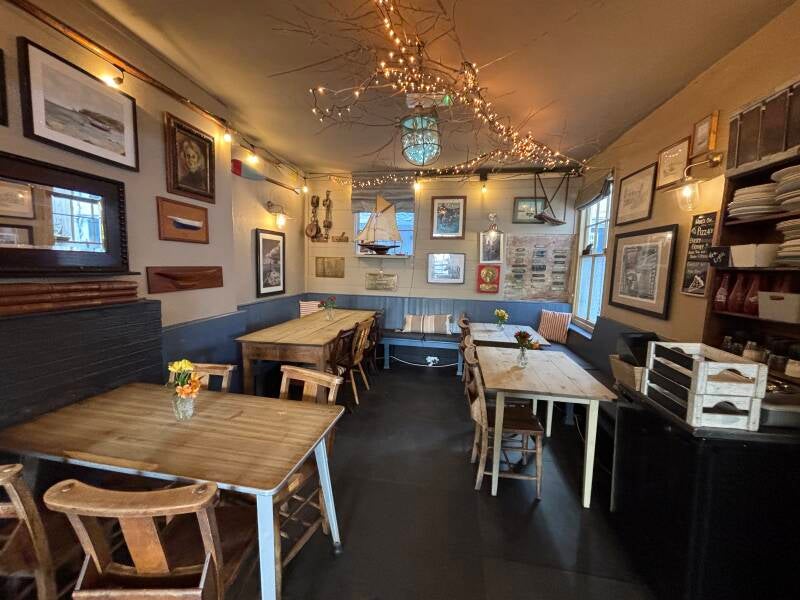
Inside, wooden floors, sailing memorabilia and a cosy atmosphere create exactly the setting you hope for in a harbour village pub. The team were friendly and professional, with a lovely rapport with the locals who drifted in and out throughout the evening. It felt less like a pub serving customers and more like a pub serving its village.
A comment from the landlady, a former chef, has stayed with me: "I judge pubs by how clean their toilets are." It is a simple measure, but a revealing one. Standards in the small things often tell you a great deal about the whole operation. In the case of The Royal Standard, perhaps the name was giving us a clue from the very beginning.
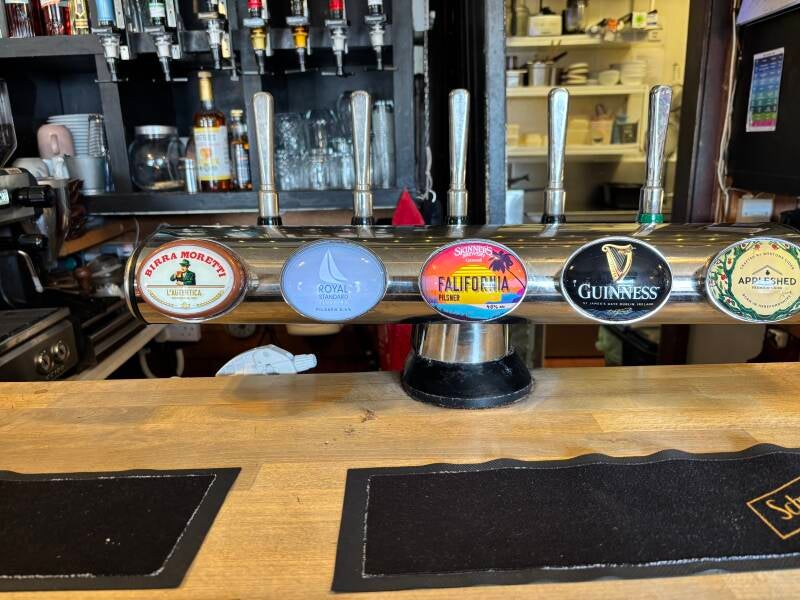
The guest ale during my visit was Brains SA, an unexpected taste of Wales that brought back memories of home. It was a fitting final touch in a pub that understands one of the great secrets of hospitality: people return to places where they feel comfortable.
The Royal Standard is not trying to be the latest destination restaurant. It does not need to. It is doing something equally important — keeping a proper village pub at the centre of village life.
Pub Key Information
| WEBSITE | https://royalstandardflushing.co.uk/ |
| ADDRESS | Royal Standard, 1 St Peter's Rd, Flushing, Falmouth TR11 5TP |
| PHONE | 01326 374250 |
| WHAT3WORDS | ///index.coffee.live |
| PARKING | Roadside parking on the way into the village along St Peter’s Hill; Paid parking at the Quay. |
| LOCATION | Flushing is a village on the opposite bank to Falmouth, on the Penryn River. In Penryn, turn off the B3292 for Flushing, Mylor, Restronguet Passage. |
| HANDY FOR | Falmouth, Truro, Mylor Harbour |
Walk Overview
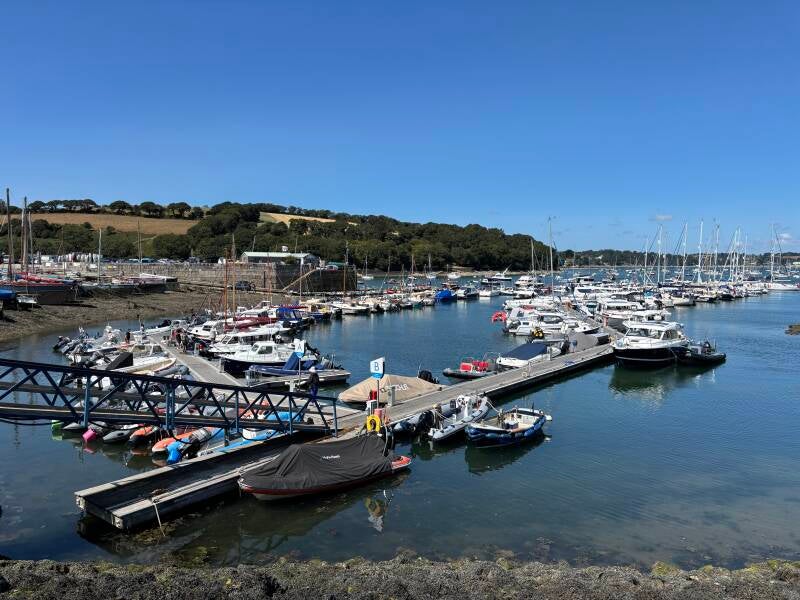
This circular walk explores one of Cornwall's most distinctive maritime landscapes, beginning and ending in the charming village of Flushing, on the eastern shore of the Fal Estuary.
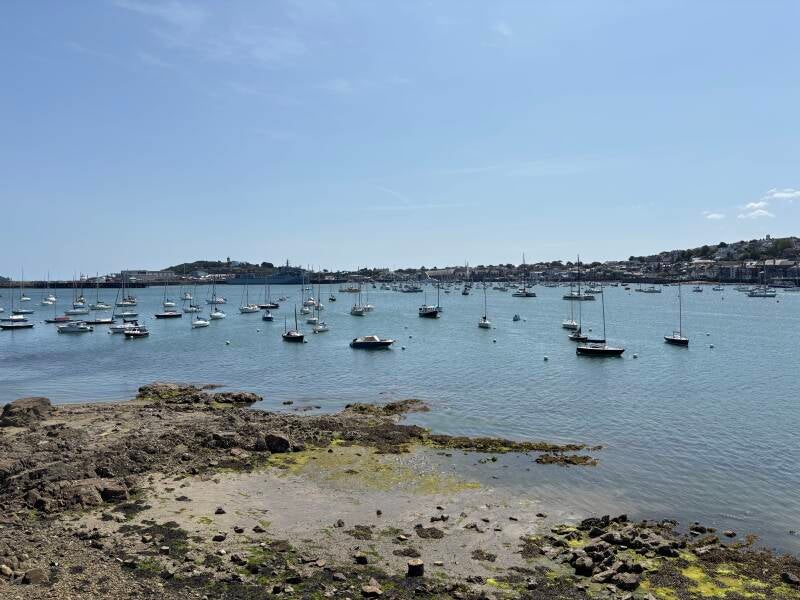
Following the Coast Path towards Mylor, the route reveals the extraordinary natural harbour known as Carrick Roads, with ever-changing views across the estuary, sailing waters and historic creeks. Along the way it passes reminders of the area's maritime past, from the Packet Ship era and captains' houses of Flushing to boatbuilding traditions, pilot gigs and the working harbour of today.
The walk then turns inland through the quiet landscape around Mylor Churchtown and the Trefusis Estate, passing woodland, farmland and hidden corners that many visitors overlook. Returning to Flushing, the route brings you back to a village where centuries of maritime history sit comfortably alongside everyday community life.




Walk Key Information
| START/FINISH | Royal Standard, 1 St Peter's Rd, Flushing, Falmouth TR11 5TP |
| PARKING | Roadside parking on the way into the village along St Peter’s Hill; Paid parking at the Quay. |
| GRID REFERENCE | SW 808 339 |
| WHAT3WORDS | ///index.coffee.live |
| DISTANCE/TIME | 4 miles / 6.4 km; approx 2 hours |
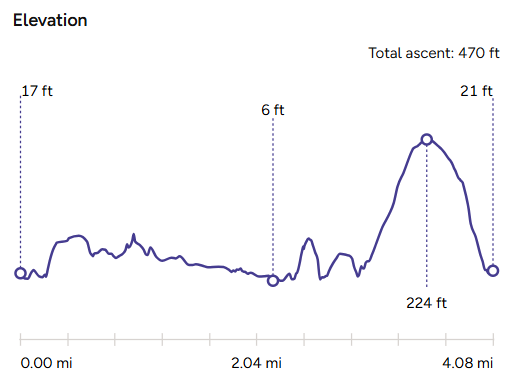
| ASCENT | 470 feet / 145 metres |
| PATHS/TERRAIN | Easy going. Pavements, quiet lanes, grass tracks and footpaths. Some gates and stiles. |
| DIFFICULTY | Easy |
| PUBLIC TRANSPORT | Bus service from Falmouth stops in Flushing. |
| TOILETS | Public toilets at Mylor Harbour. |
| OTHER PUBS TO VISIT | The Pandora Inn at Restronguet Creek is a must visit, just beyond Mylor Bridge; The Lemon Arms, Mylor Bridge. Further afield, try The Old Quay Inn at Devoran; or in Falmouth, the Star and Garter, although places to suit all tastes there. |
Walk Instructions: Choose what works for you
There are multiple ways to consume the route described below.
- Either follow the online Walk Directions below, or download and print a copy of the route.
- If you have the OS Maps App, you can follow a saved route directly in the OS App.
- Or download the GPX file for use with your chosen GPS-based tracker App, like Strava. Upload the file when you Create a New Route in the App.
Walk Directions
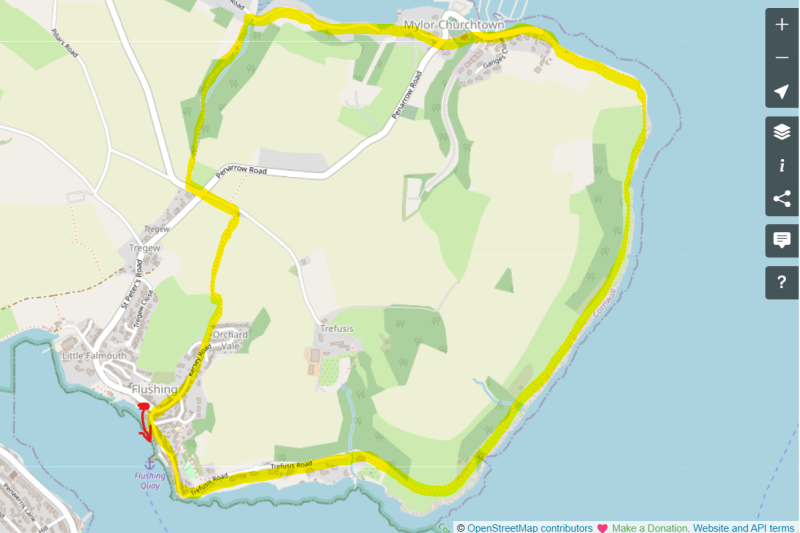
- The walk to Mylor Yacht Club from Flushing and back along the coast path is a popular walk, providing excellent views of Falmouth Harbour, the Fal Estuary, referred to as Carrick Roads, the moorings and sailing clubs of Mylor, all starting and ending at the historic and beautiful village of Flushing. This version is a circular walk, well signposted and with paths, pavements and lanes it’s easy to navigate.
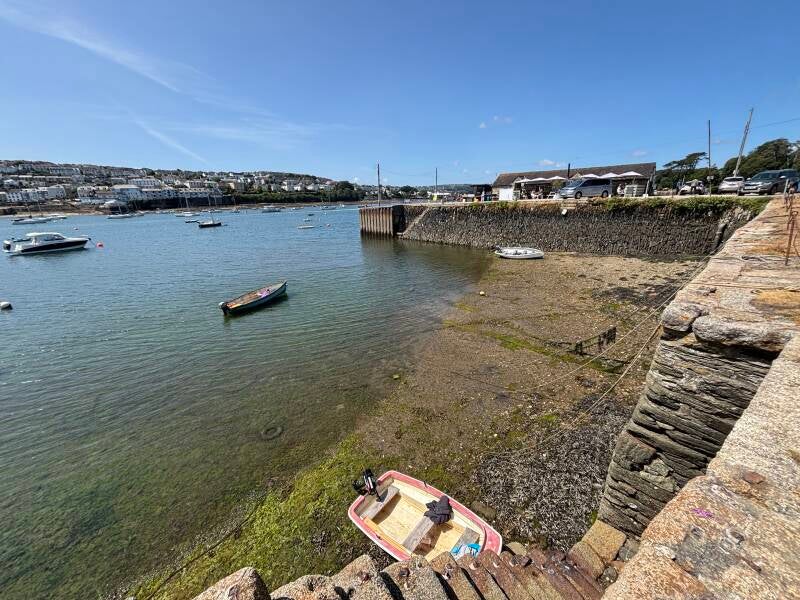
- The Royal Standard in the village of Flushing, is at Number 1 St Peter’s Road. Follow the road in front of the pub as it winds round into the village on Trefusis Road. Take the diversion to explore Flushing Quay. Tides is a lovely café, and restaurant. The Falmouth to Flushing Ferry has a rich history dating back to 1660, when Charles II granted the rights to Sir Peter Killigrew. The ferry has been operated by various families over the years, with the current vessel, Miranda, built in 1985. The ferry has undergone several changes, including the introduction of powered boats around 1900 and the construction of new vessels like the Miranda II in 1934.
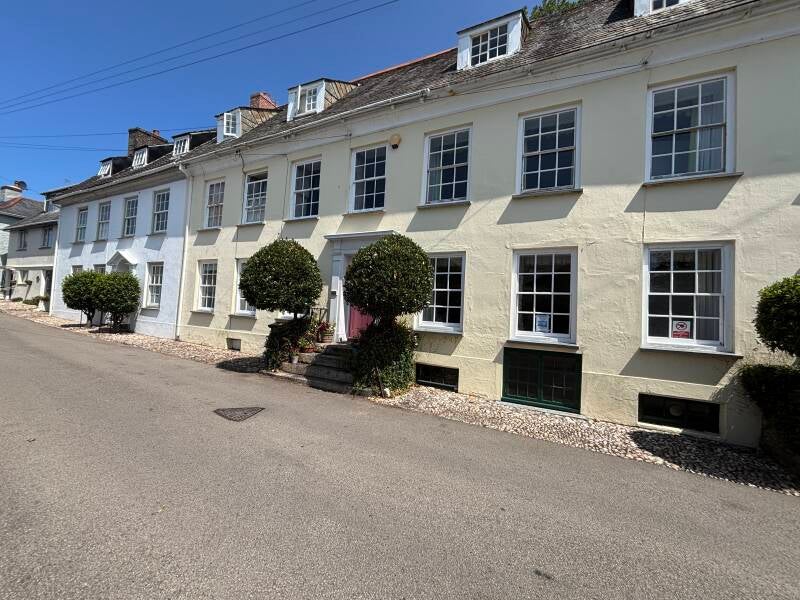
- Continue past the Falmouth Packet Captains houses up to and around the corner of Trefusis Road at Flushing Sailing Club.
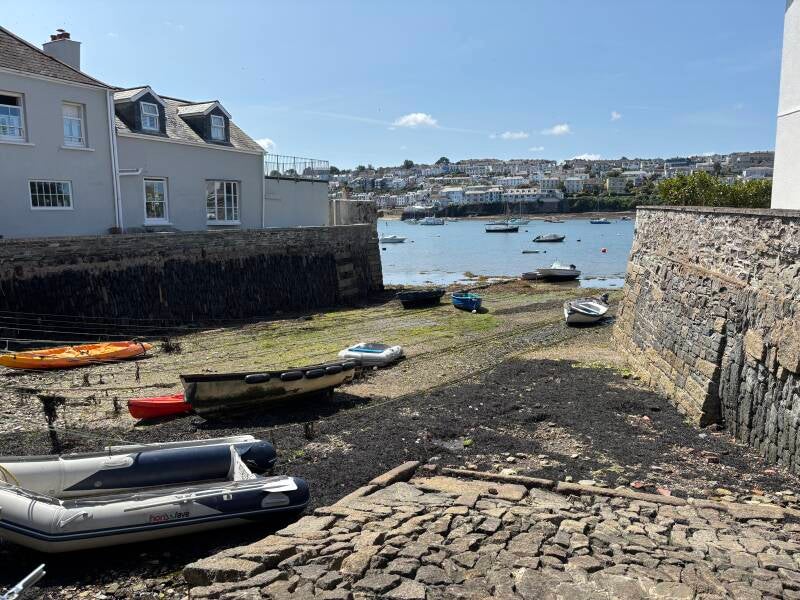
- At the end of Trefusis Road, pass a wooden gate into Kilnquay Wood, part of the Trefusis Estate. The estate is on the hillside above us, overlooking the Fal Estuary. It has been home to the Trefusis family for over 750 years and features a variety of properties, including farms, cottages, and commercial premises. The slipway to the right leads down to Flushing Beach. The large garage at the top of the slipway is home to Flushing and Mylor Pilot Gig Club.
- Just beyond the Gig Club, the large house on your right behind the wall is Kiln Quay House. This 16th century home was literally moved to the banks of the River Fal from its original location in Sussex in 1919, when its owner Joan Beech met and fell in love with a Cornish sea captain. It’s Grade II Listed.
- You’ll soon join the coast path. As you approach Penarrow Point, look out for a granite marker: it separates Truro from Falmouth Harbour. This marker, along with its twin on the east bank, defines a line between the Falmouth Harbour Authority and Truro Port Authority. Historically, any vessel crossing this line needed to pay fees to the authority they entered the area of.
- You’ll now have a clear view of boats on their moorings at Mylor Harbour and Mylor Creek. Follow the path, initially past Restronguet Dinghy Sailing Club – the dinghy park, and then to the front of the club house.
- Now join a tarmac road and continue onward towards Mylor Yacht Club. There are food and drink options here, and public toilets just beyond the Yacht Club.
- Next to the toilets is a phone box, and next to that, the gate to St Mylor Church. Mylor Church is remarkable for its huge monolithic cross, likely a pre‑Christian menhir later pressed into service as a buttress, and for its detached 17th‑century bell tower, an architectural rarity in Cornwall. The churchyard carries powerful maritime memory, including the HMS Ganges memorial to 52 naval boys who died while training offshore. With its Norman fabric, Celtic origins and exceptional historic interest, the church is rightly Grade I listed.
- Proceed through the church yard, gently uphill to the side of the detached bell tower to exit at a gate just beyond the HMS Ganges Memorial. Go straight across Penarrow Road – carefully, this road serves the busy harbour/marina - in front of the Old Vicarage, to join a narrow lane called Wayfield Road. After passing some houses, it becomes a gravel footpath running downhill.
- At Mylor Creek, in the area known as Mylor Churchtown, go straight ahead in the direction of Mylor Bridge on Church Road, a very quiet lane to the hamlet of Trelew. This location featured in the 2011 animated movie, Arthur Christmas. The creek here was a boat building location in the 1800’s. You’ll see a commemoration board to a Cornish Ketch called Horah, built here in 1879. It became the last vessel to use Newquay Harbour in North Cornwall, in 1922.
- Just past the cove, proceed uphill for a short way then go left on a footpath, the gravel driveway of Trelew Farm. Continue straight ahead towards the farm, then take the footpath signposted to the left into woodland. There are information boards detailing the proposed renovation of the farm, which looks to be proceeding exceptionally well.
- The route uphill through the lovely wooded valley is easy going. Continue to a road at the top. Turn left to proceed to a junction 25 metres ahead.
- Go straight across onto the driveway of Trefusis Estate, then over a cattle grid. Now turn right through a gate onto a field path running alongside the cattle field, separated by what looks like electric fencing.
- Cross over to the next field, where the same set up guides you around the boundary of the field in the direction of Flushing which you’ll now see below you. The path here is clear and well used.
- Exit the field onto a narrow footpath that runs to the side of houses in the upper part of Flushing, known as Orchard Vale, before eventually dropping down to a village lane – Kersey Road – downhill to meet St Peter's Road and The Royal Standard.
Additional Notes - Flushing and the Falmouth Packet Service – Britain's Lifeline to the World
Walking through Flushing today, it is easy to admire the elegant houses overlooking the harbour without realising the remarkable story behind them.
The village appears peaceful and self-contained, yet for more than 150 years it was connected directly to Britain's ambitions, conflicts and commerce across the globe. The reason was the Falmouth Packet Service — a vital communication network that linked Britain with its overseas territories long before telephones, telegraphs and modern postal systems existed.
What was a Packet Ship?
Today, the word "packet" makes most people think of a parcel delivered through the post. In the eighteenth and early nineteenth centuries, however, a packet was something far more important.
Packet ships were vessels employed to carry official mail, government dispatches, diplomatic correspondence and commercial documents across the oceans. They were the essential link between Britain and the wider world.
These were not ordinary postal deliveries. In an age when Britain was building and defending a global empire, information was power. A letter carrying military orders, news of political events or instructions to colonial administrators could influence decisions thousands of miles away.
The Falmouth Packet Service connected Britain with destinations including the Caribbean, North America, South America, Africa and India, carrying the messages that helped maintain Britain's worldwide interests.
Why Falmouth?
At first glance, Southampton or Portsmouth might seem the obvious ports for such a service. They were closer to London and would later benefit enormously from the railway network.
But in the age of sail, geography worked differently.
Falmouth possessed one of the world's great natural harbours. The deep waters of the Fal Estuary provided shelter for ships preparing to sail, while the harbour's western location offered a significant advantage. A vessel leaving from eastern English Channel ports had to navigate some of Europe's busiest waters, often against prevailing winds and with the constant threat of enemy action during Britain's many wars with France.
For ships heading into the Atlantic, Falmouth was ideally placed.
During the long conflicts with Revolutionary and Napoleonic France, that advantage was considerable. The harbour became a vital strategic asset, and the surrounding communities prospered from the activity it created.
Why Flushing?
The village now known as Flushing was originally Nankersey, a Cornish settlement overlooking the Fal Estuary.
Its transformation began when Dutch craftsmen helped construct and improve the quayside and shoreline. The village took the name Flushing from Vlissingen in the Netherlands, reflecting this connection.
Later, the Packet Service brought a new era of prosperity. The fine houses along St Peter's Hill and Trefusis Road were built during this period, many associated with the captains, agents and families whose lives revolved around the ships sailing from these waters.
The Royal Standard itself sits within this landscape. Formerly known as the Royal Hotel or Standard Hotel, it was part of a village shaped by maritime activity and the people who depended upon it.
A Dangerous Occupation
The romance of sailing ships can hide the reality of the work.
Packet captains and crews operated in dangerous times. Britain was frequently at war with France, Spain, Portugal and later the United States. The ships they commanded carried information of strategic importance and were valuable targets for enemy vessels and privateers.
There were other risks too.
Official documents, financial papers and commercial correspondence were valuable, and the security of the service depended heavily on the honesty and judgement of captains, crews and agents. The Packet Service was trusted because those involved carried enormous responsibility.
For the families left behind, the risks were very real. Local tradition recalls that as many as ninety widows of Packet crew once lived in Flushing — a remarkable reminder that behind the grand houses and international connections were ordinary families dealing with extraordinary uncertainty.
The End of the Packet Era
The decline of the Packet Service came not because the sea became less important, but because technology changed the rules, and peace with France broke out making the English Channel less dangerous.
Steamships brought greater speed and reliability, no longer dependent on favourable winds. But the greatest change happened on land.
The growth of the railway network transformed the importance of ports. Southampton and Portsmouth gained a major advantage because they could connect quickly with London and the rest of Britain. Falmouth, despite its magnificent harbour, was disadvantaged by its late arrival to the railway age and its distance from the centres of government and commerce.
By the middle of the nineteenth century, the old sailing packet system had become outdated. The final sailing packets left Falmouth in 1851, bringing an end to more than 150 years of service.
The impact on Flushing was significant. A village that had grown wealthy through maritime connections had to adapt as those ships disappeared.
The Legacy in Today's Villages
The Packet Service may have vanished, but its memory survives throughout Cornwall.
Look for names such as:
- The Packet;
- The Steam Packet;
- The Old Packet;
- The Mail Packet.
These pub names are often reminders of a time when ships, not roads or railways, carried the messages that connected communities with the wider world.
In Flushing, the legacy is visible everywhere: in the houses overlooking the harbour, in the maritime traditions that continue today, and in the relationship between the village and the water.
The ships have gone, but the reason Flushing exists as it does has never disappeared.
Other Pubs to try in Cornwall
Veryan & Portloe – Ancient Landscapes, Coastal Legends and Hidden Histories
6.3 miles
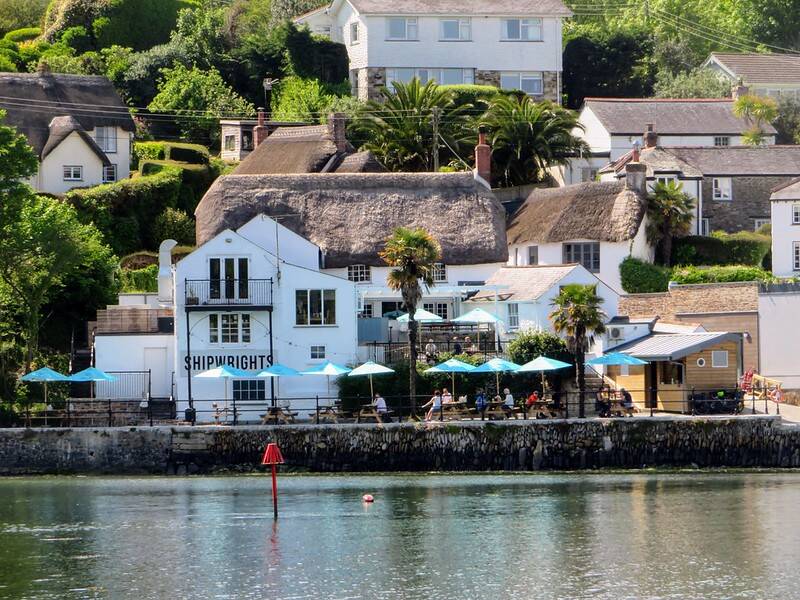
Helford – From Shipwrights to Scientists: A River of Discovery
5.2 miles