

The Pub: The Oak at Painswick

Pub Walk: - A taste of the Cotswolds Way above Painswick, 4.5 miles

The Appeal of this Pub & Walk Pairing
Painswick is one of the Cotswolds' most characterful old wool towns, a place where the wealth and ambition of the medieval cloth trade remain written into its streets, handsome limestone buildings and magnificent parish church.
This walk takes you west of the village, joining the Cotswolds Way for a taste of the countryside that makes this part of Gloucestershire so special. Expect rolling, sheep-grazed hills, wooded valleys, streams and footpaths, with fine views back towards Painswick, and some impressive country houses along the way. It's a satisfying walk with a few testing climbs, but the landscape is every bit as rewarding as the village itself.
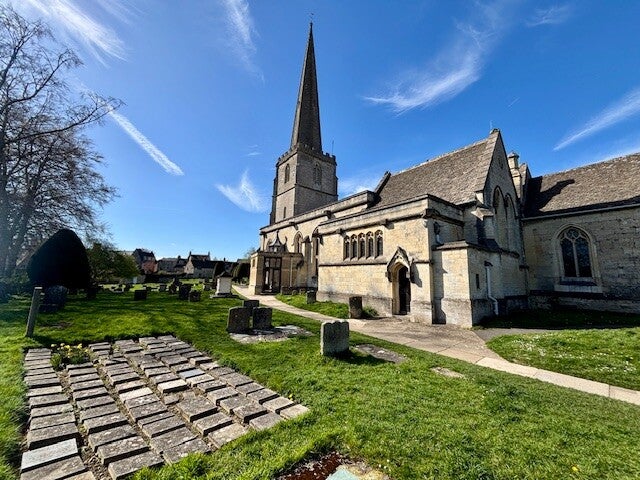
Allow time to explore St Mary's Church, with its extraordinary churchyard of 99 yew trees, remarkable collection of historic tombs and a story that reaches back through the wool trade and the English Civil War.
Then make your way to The Oak, formerly the Royal Oak, a cosy independent pub with a characterful interior, a welcoming atmosphere and some excellent local real ales. There's a lot of history in this little corner of Painswick, and plenty of reasons to linger.



Why The Oak is Worth The Walk
My Last Visit: April 2026
| WEBSITE | https://www.facebook.com/theoakpainswick/ |
| ADDRESS | St Mary's Street, Painswick, GL6 6QG |
| PHONE | 01452 813129 |
| WHAT3WORDS | ///almost.amphibian.sedated |
| PARKING | No parking at the pub. Stamages Lane Car Park is the main Painswick Car Park, a short walk from the centre. It’s off the A46 Stroud Road, south of the village. |
| LOCATION | Painswick is on A46 inbetween Stroud and Gloucester. |
| HANDY FOR | Cotswolds Way; Laurie Lee's Slad |
Painswick was once a village with a remarkable appetite for drinking. By the 1830s, it reportedly supported eight public houses and 26 alehouses — 34 places in which to enjoy a pint, find some refreshment or exchange the latest village news. Today, that once-thriving pub culture has all but disappeared.
The Falcon remains, although it now operates primarily as a hotel and restaurant, leaving The Oak as one of the few remaining opportunities to experience a decent pint at a traditional Painswick pub.
And what a survivor it is.
The building itself tells a fascinating story. What was once the Royal Oak is a Grade II listed, 17th-century building, formerly incorporating the neighbouring Red Lion and recorded by Historic England as having been amalgamated in 1891.
Its irregular frontage is a clue to that history: this isn't one building designed to look rather unusual, but a collection of former premises brought together under one roof. There were once several other drinking establishments in this immediate corner of Painswick, around St Mary's Street, Victoria Street and Tibbiwell. It's not difficult to imagine how lively these streets must have been when the village was at the height of its wool-trading prosperity.
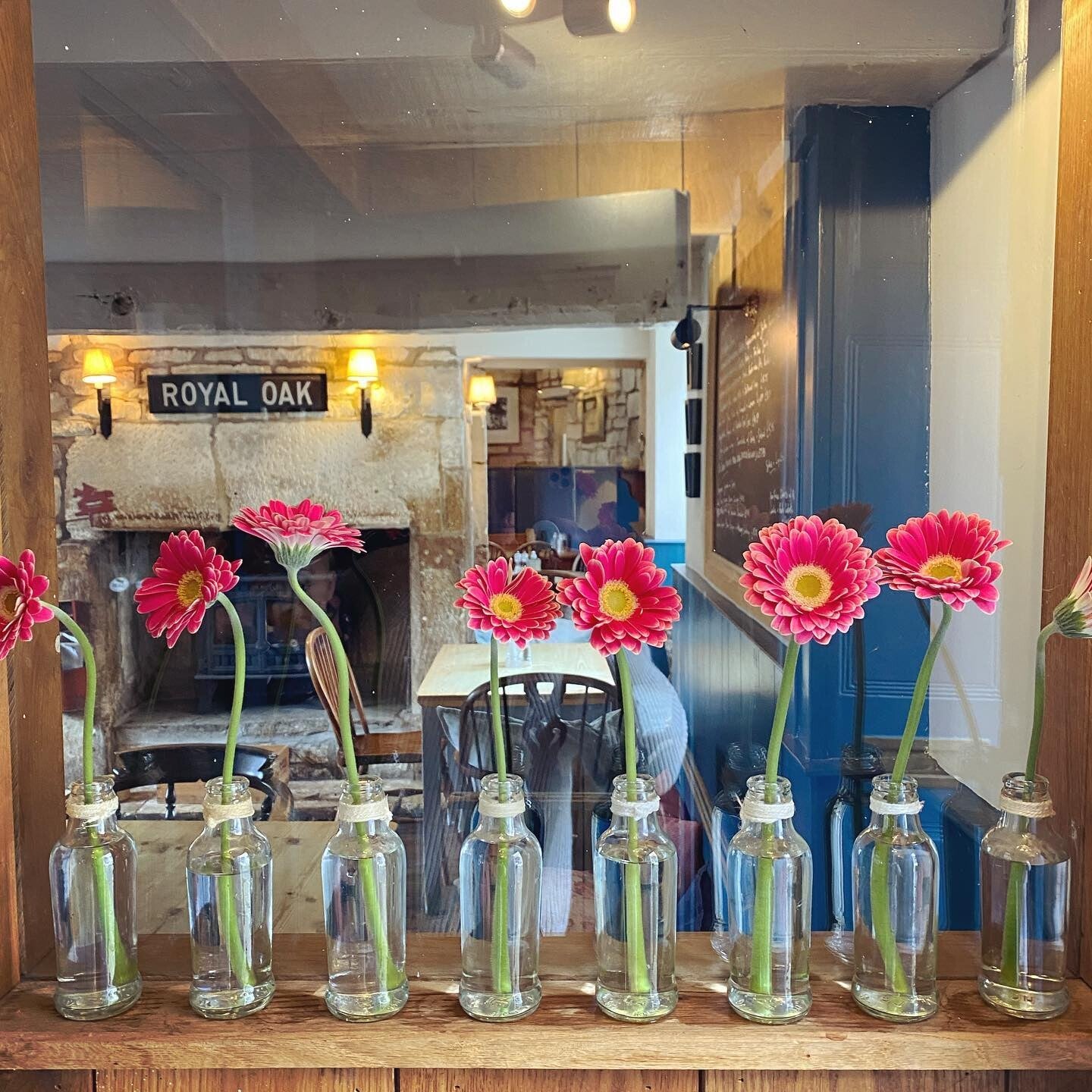
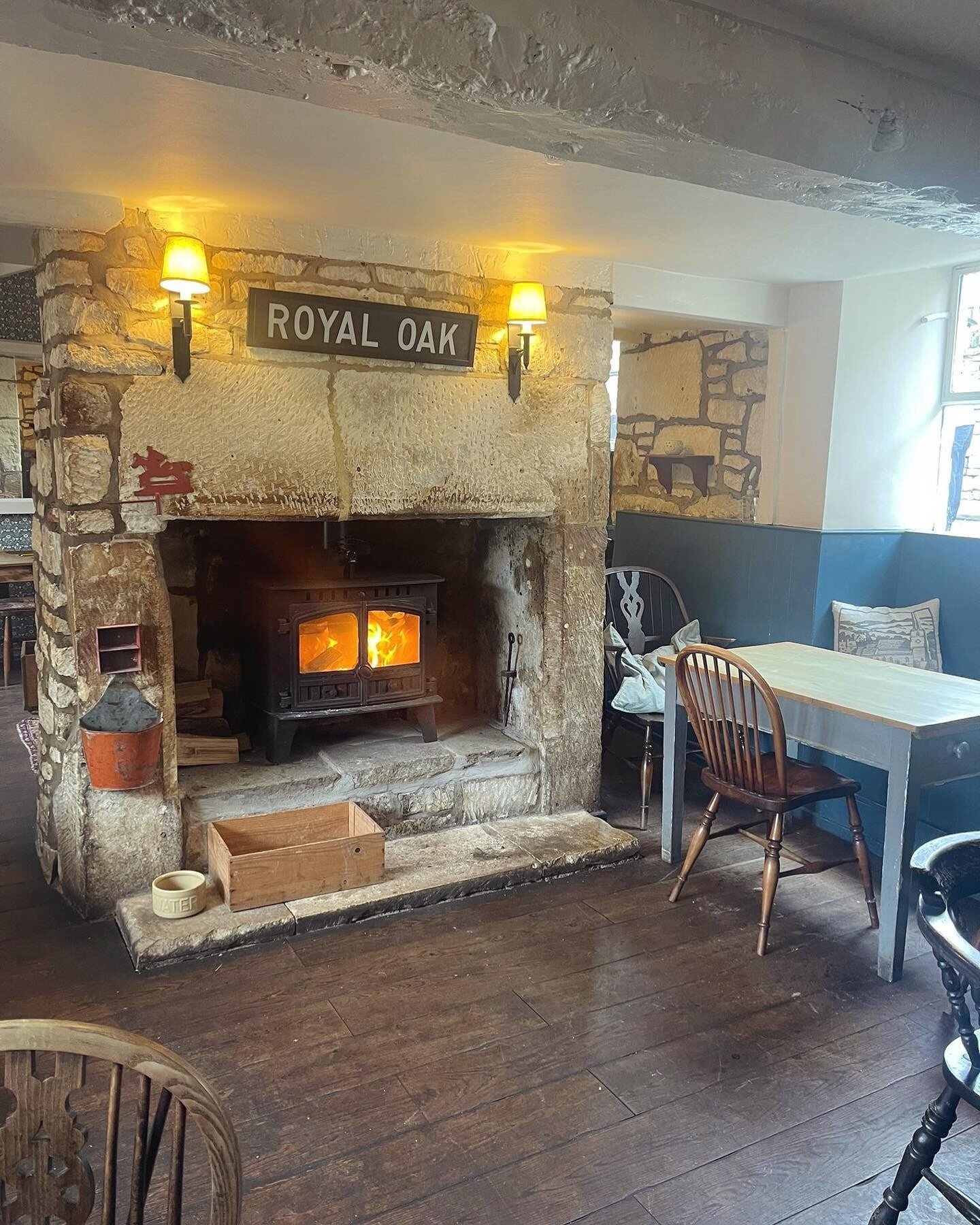
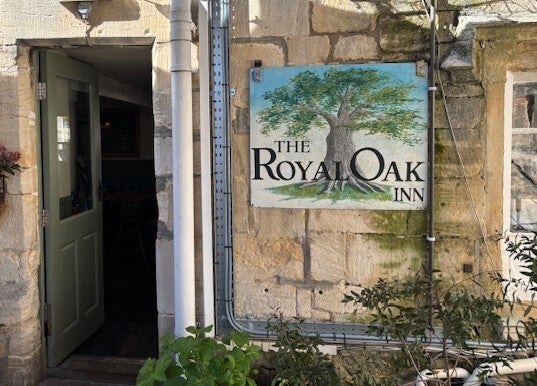
The Royal Oak name has changed too, to become simply The Oak, a decision presumably intended to give the business its own distinct identity. I confess to being a little curious about abandoning such a well-established name, particularly when the words 'Royal Oak' still sit proudly above the magnificent fireplace that dominates the main bar. Perhaps the branding boffins have their reasons!
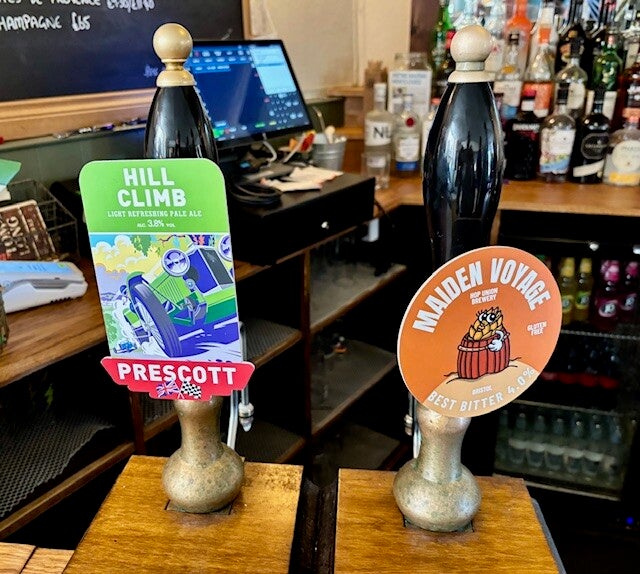
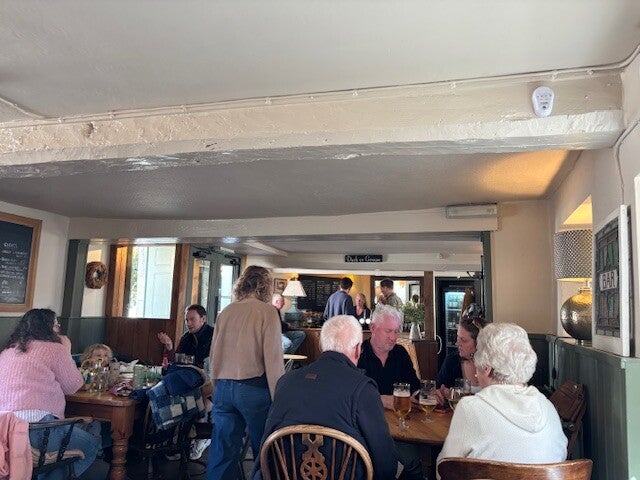
Inside, I found a cosy, welcoming pub with a small bar that caters for a variety of tastes. There was a really interesting selection of local real ales, beautifully kept, and I very much enjoyed a Prescott Hill Climb. If you're a real ale enthusiast, seeing only local ales is a reassuring sign that you're visiting an independent pub with a real passion for what it serves.
At the other end of the short bar, a tempting selection of cakes caught my eye. I always like to see this. It tells me that a pub understands that its customers extend beyond those arriving for a pint or a meal. Walkers and cyclists are particularly partial to a decent slice of cake, and a welcome for people wanting to refill a water bottle is surely a small investment in attracting customers who might otherwise walk straight past. "Free water bottle refill with every cake". You know it makes sense!
There was a lovely, bubbly atmosphere when I visited.
Local regulars, young families, walkers and people making a special return visit all seemed equally at home. Beyond the bar are several different seating areas, but the fabulous fireplace in the centre of the main room is the natural focal point. It's the sort of pub that makes you rather hope for a sudden fall of snow, giving you a perfectly respectable excuse to settle in for the night.
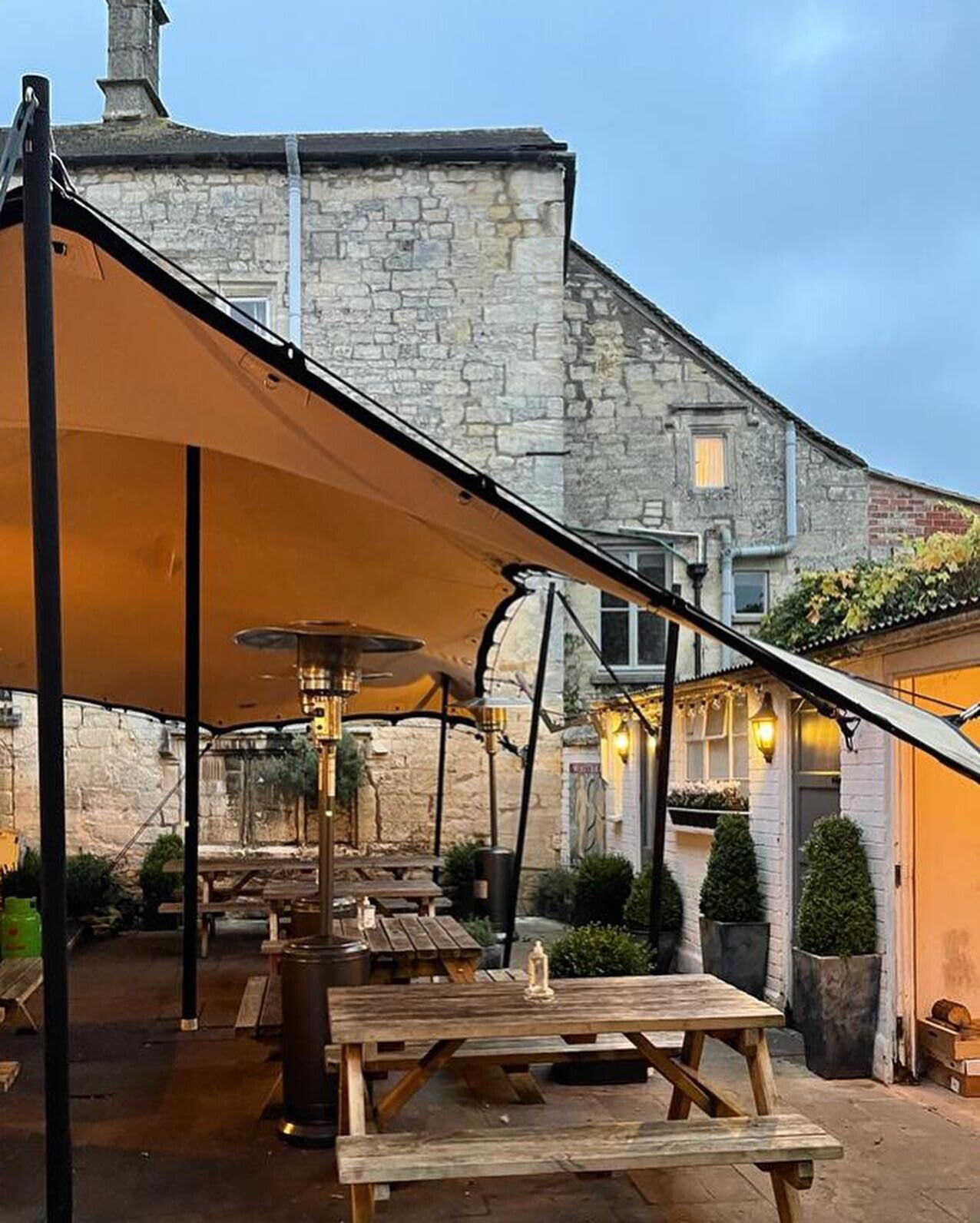
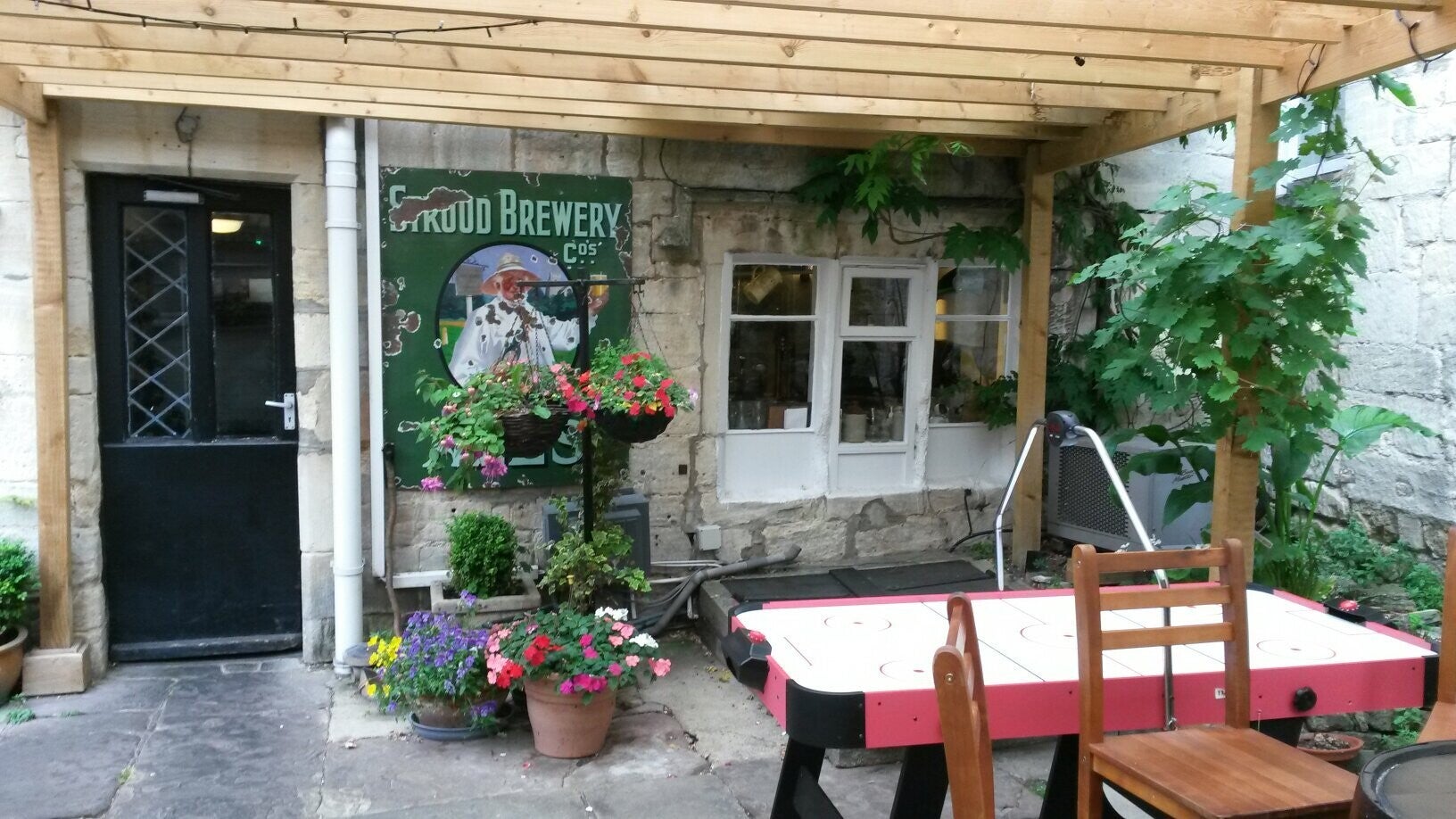
Outside, a sheltered courtyard provides another attractive place to sit. Much of it is covered by an impressive canopy, creating a surprisingly inviting space that was clearly popular with customers on my visit.
There's a bigger story here, though, than one attractive pub and a good pint.
The fact that so few of Painswick's numerous pubs remain is a reminder of just how much has changed in our villages. The Oak has survived generations of change, absorbed its neighbour, adapted its identity and continues to welcome a new generation of customers.
That's worth celebrating.
But survival isn't guaranteed, and a fondness for old pubs won't keep the lights on by itself. If you're visiting Painswick, make time for The Oak. Stop for a coffee and cake, enjoy a local ale, have lunch or simply settle beside that wonderful fireplace after your walk. You'll receive a genuinely warm welcome.
The best way to ensure that this little piece of Painswick's history has a future is to be part of its present.
Go in, don't walk past.
And of course it's another Royal Oak - read my blog post to discover why there are so many!
Walk Details
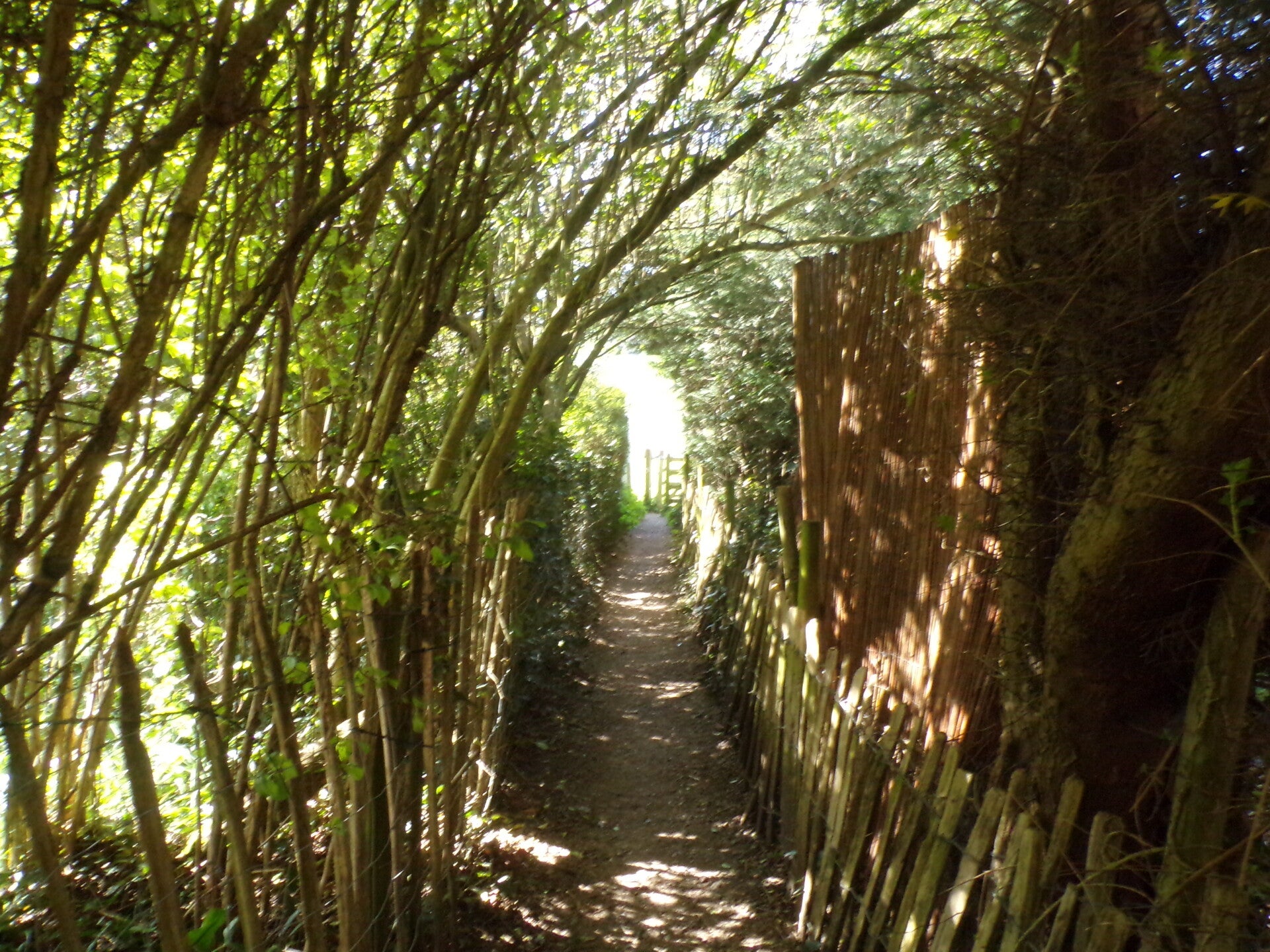
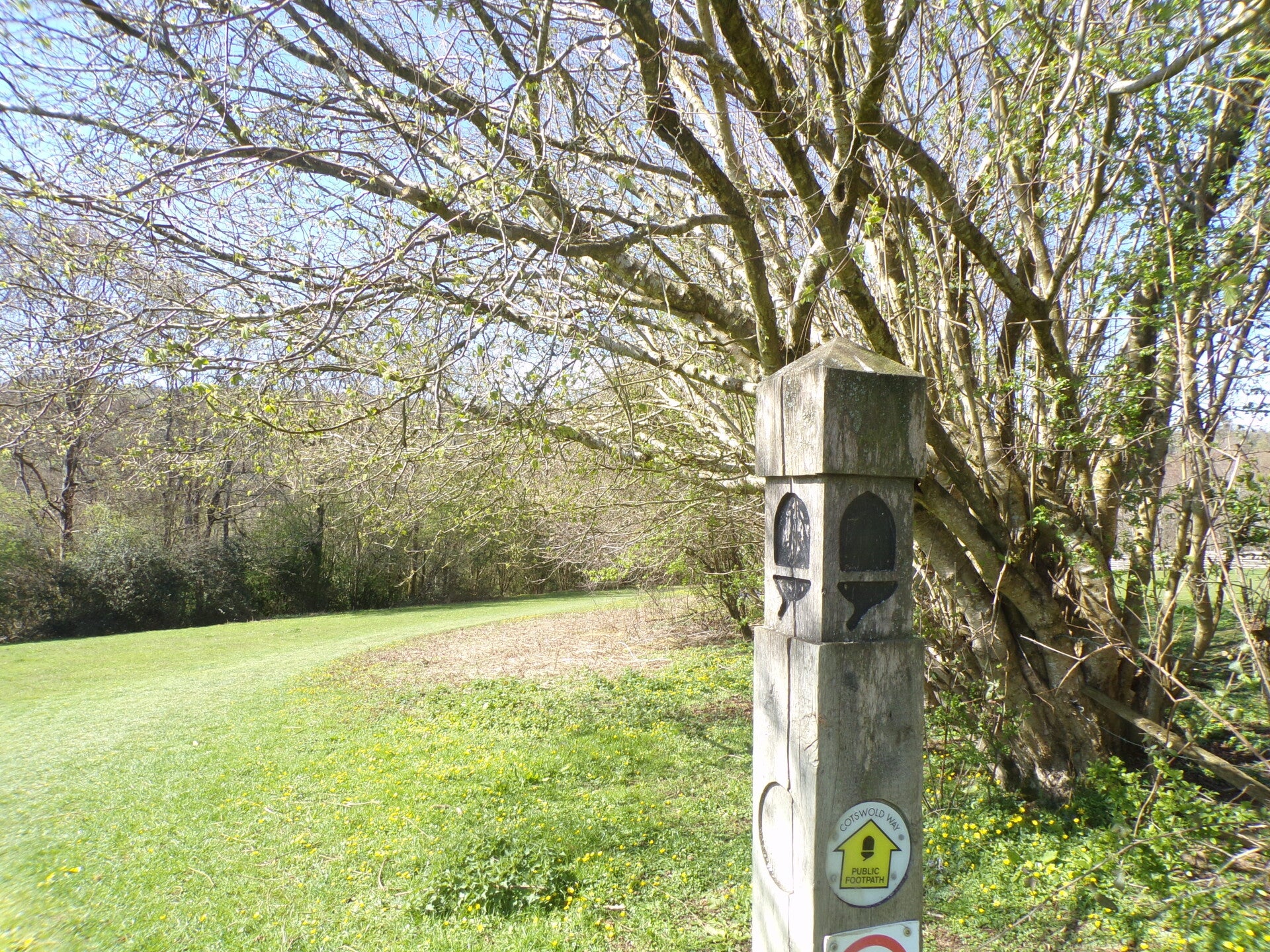
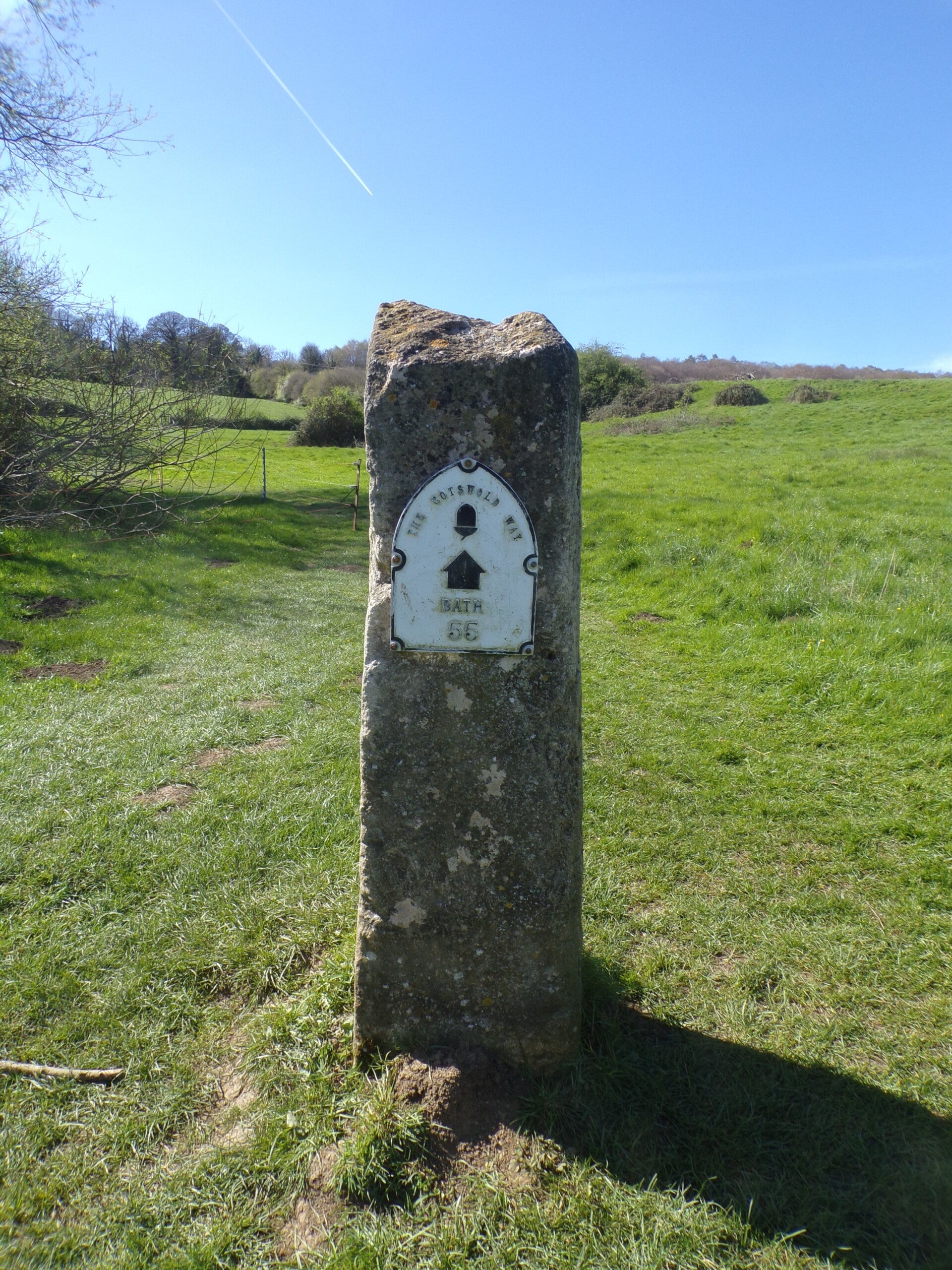
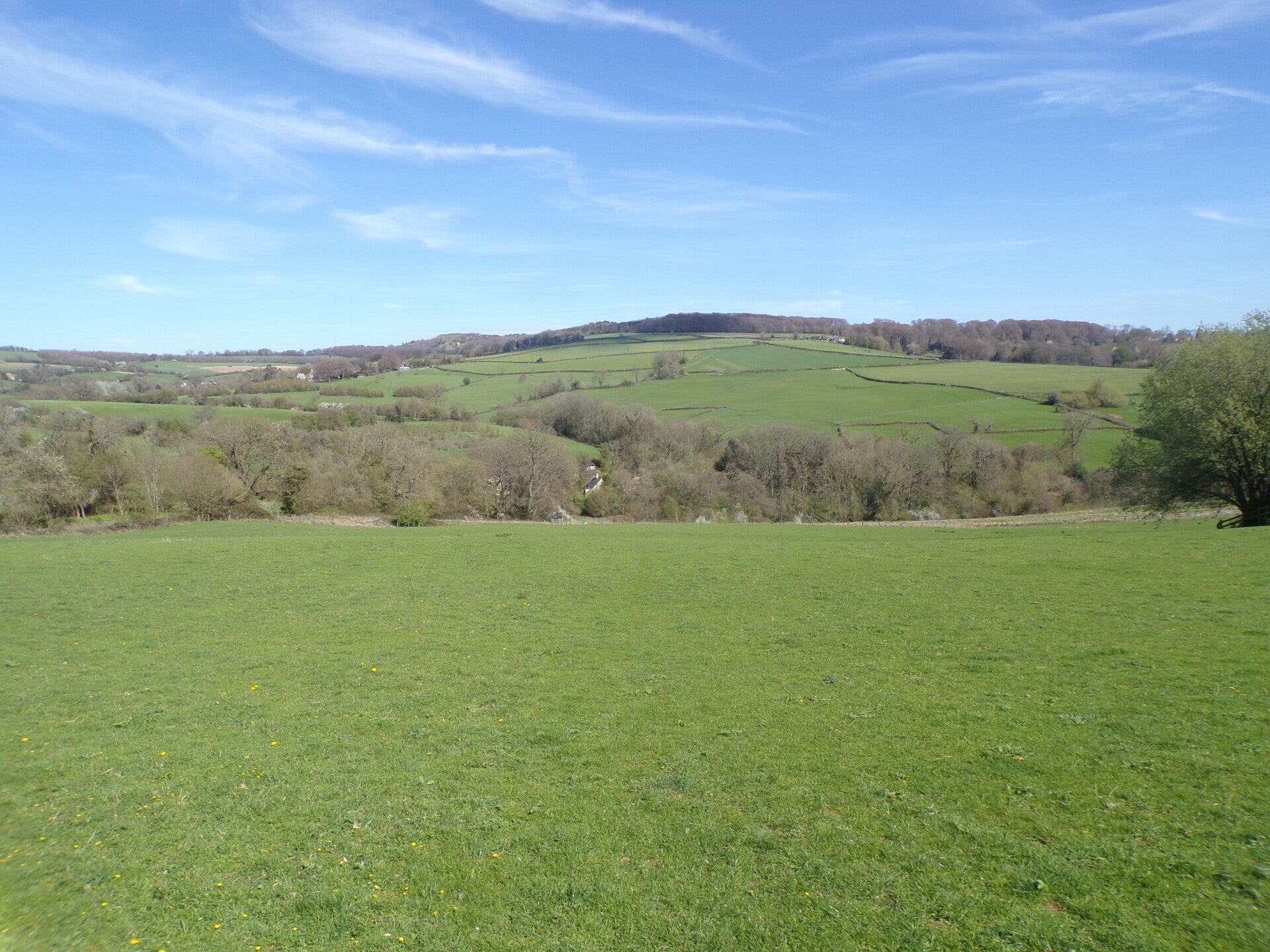
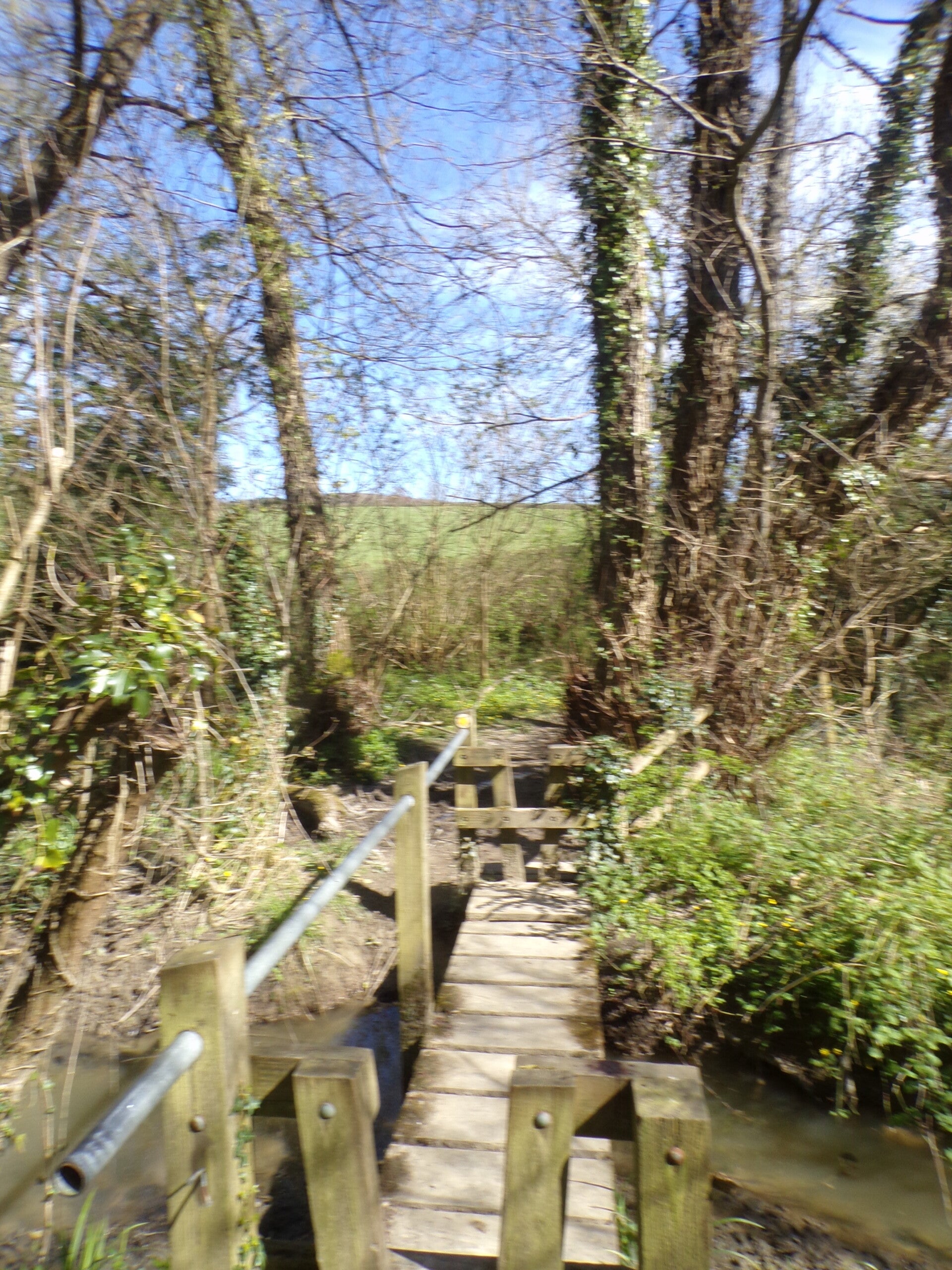
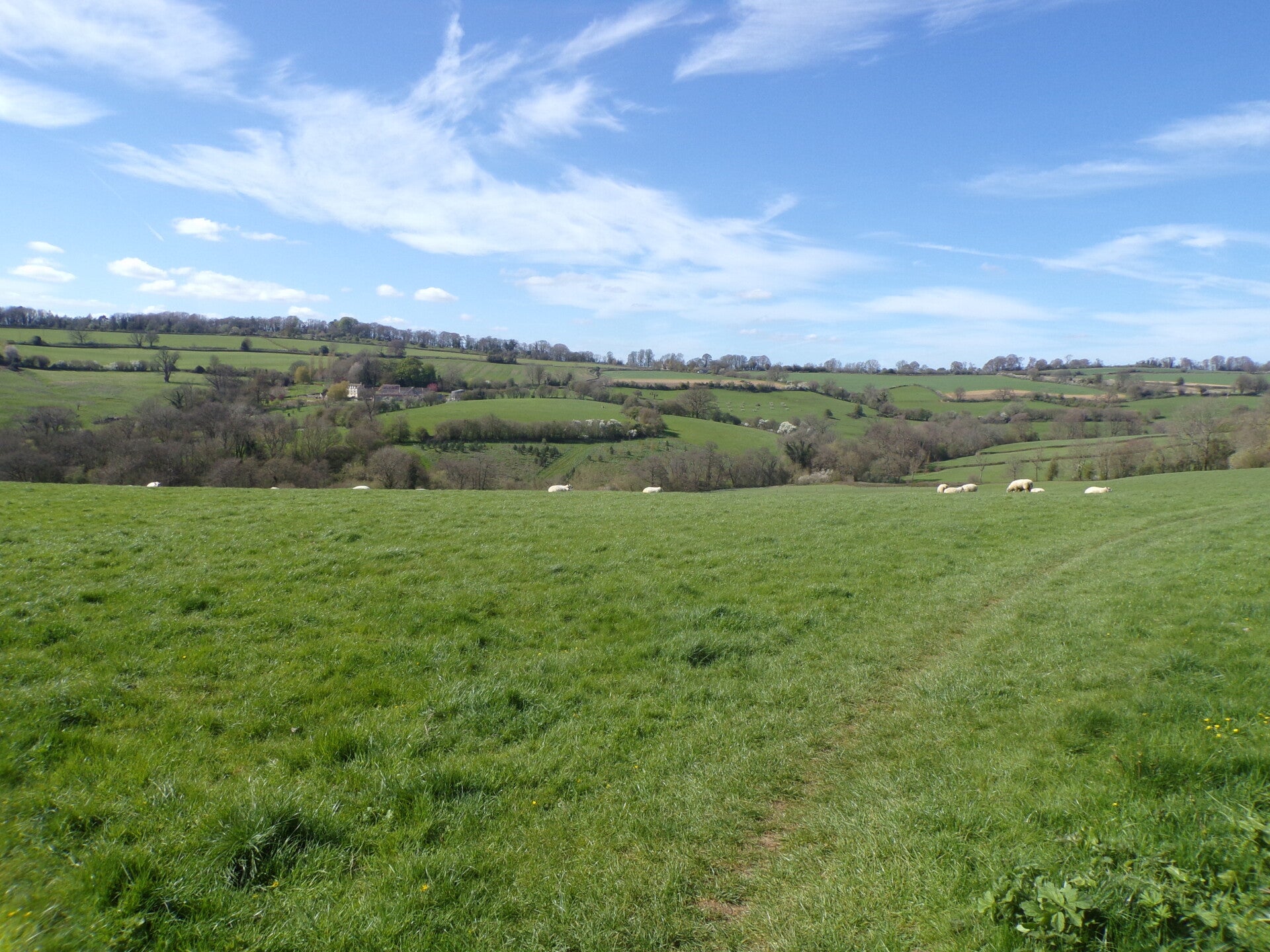
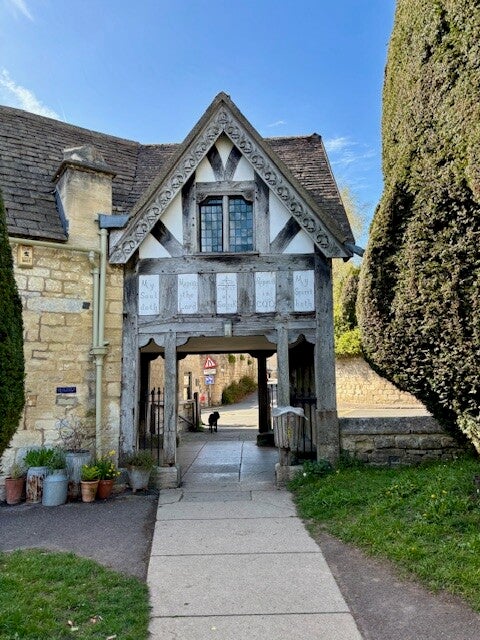
A rewarding Cotswolds circuit that combines a taste of the Cotswolds Way with some lovely, less-travelled paths through the countryside west of Painswick.
Expect a varied landscape of rolling, sheep-grazed hills, wooded valleys, streams and footbridges, with occasional glimpses of handsome country houses tucked into the folds of the countryside. There's a particularly satisfying sense of arriving back at Painswick after exploring the surrounding hills, with its distinctive limestone buildings and church tower providing a familiar landmark.
This isn't a flat afternoon stroll. The route has some testing climbs, particularly around Edgemoor, but the rewards are plentiful and the paths generally well established and signposted. Good walking country, with enough variety to keep you interested throughout.
And then there's Painswick itself. Allow time to explore the village and its remarkable churchyard before settling down at The Oak. You've earned that pint!
| START/FINISH | The Oak, St Mary's Street, Painswick, GL6 6QG |
| PARKING | Stamages Lane Car Park is the main Painswick Car Park, a short walk from the centre. It’s off the A46 Stroud Road, south of the village. No parking at The Oak. |
| GRID REFERENCE | SO 865 095 for car park |
| WHAT3WORDS | ///almost.amphibian.sedated is The Oak |
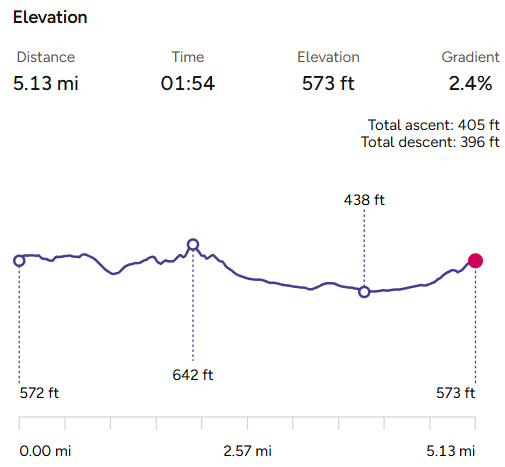
| DISTANCE/TIME | 4.5 miles / 7 km; approx 2 hours |
| ASCENT | 760 feet / 235 metres |
| PATHS/TERRAIN | Lanes, fields, woodland paths, damp under foot in places. Short distance along B road. Gates, stiles and footbridges. |
| DIFFICULTY | Moderate. |
| PUBLIC TRANSPORT | Painswick is well served from Stroud and Gloucester. |
| TOILETS | Toilets at Stamages Lane Car Park. Walk passes Edgemoor Inn. |
| OTHER PUBS TO VISIT | Edgemoor Inn, Edge; Falcon Inn, Painswick; Butchers Arms, Sheepscombe; Woolpack, Slad; Black Horse, Cranham. |
Route & Directions
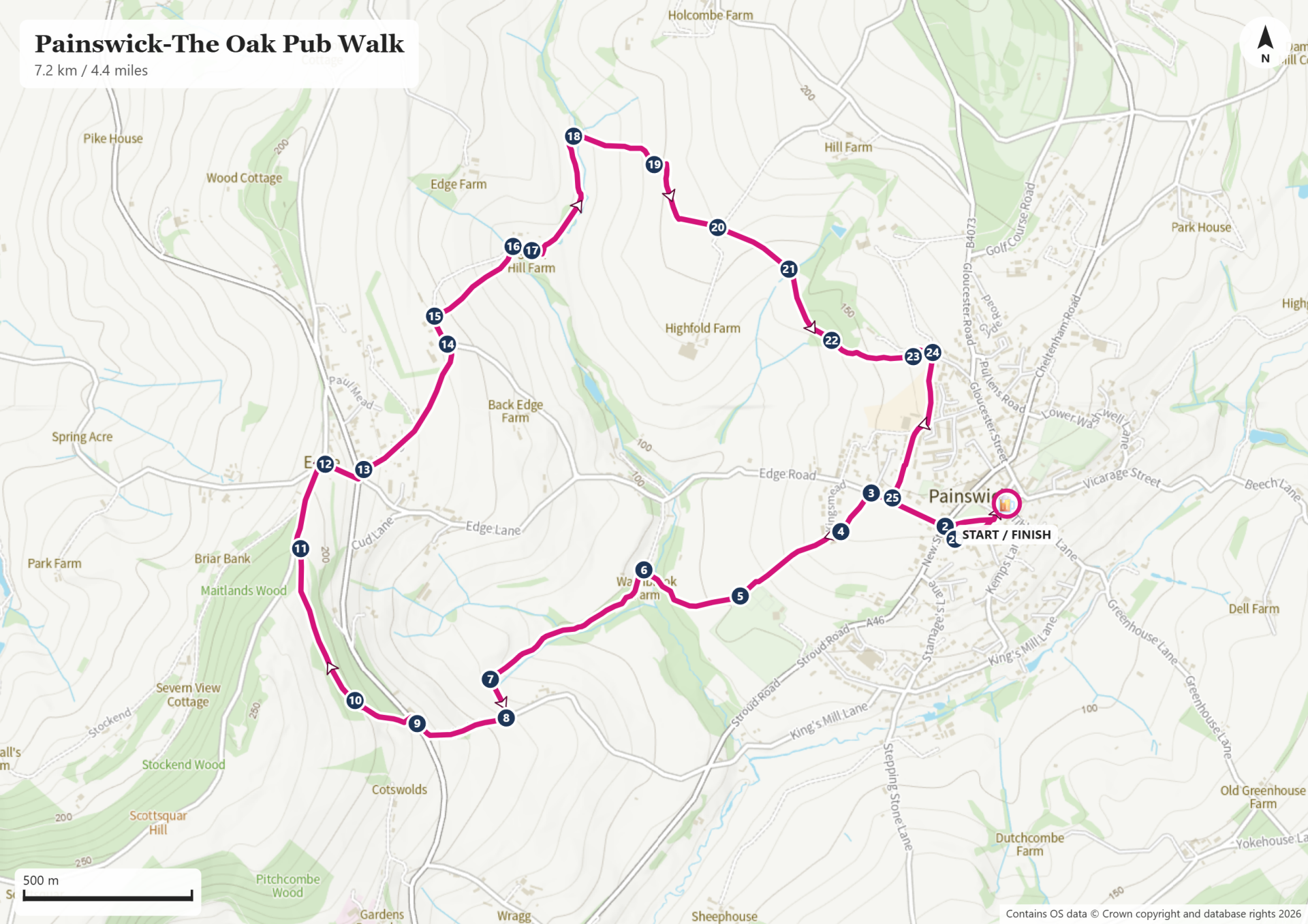
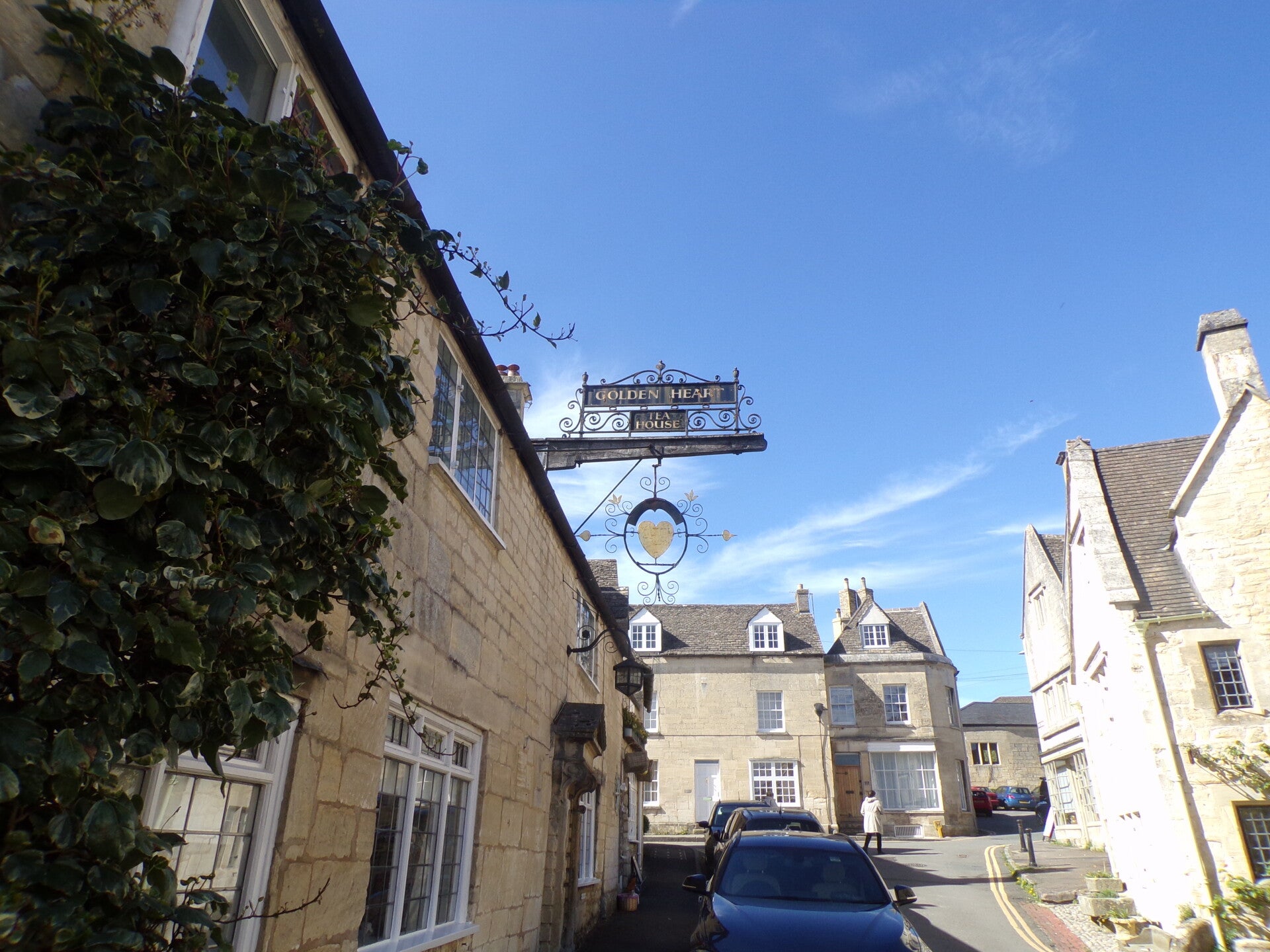
- The Oak (GL6 6QG) is located in on St Mary’s Street, one of the streets to the side of St Mary’s Church, off the A46 in the centre of Painswick. Starting at The Oak with your back to the pub, turn left towards St Mary’s Church, one of the great historic treasures of the Cotswolds. Identify The Falcon on the main road (A46) opposite the Church and cross over towards it. Take a right hand turn just beyond The Falcon where the main road starts to narrow, onto Edge Lane (waymark #2)
- The route follows the Cotswolds Way (CW) for the first part and is well signposted. Proceed gently uphill to a CW signpost guiding left to cross a small field. (#3)
- Across the field the path approaches detached houses and continues between a neatly clipped beech hedge to a driveway. Cross straight over in front of the driveway of the house to the left to continue along a narrow path to the right-hand side of the house.
- Cross into the field (#4) and follow CW signpost guiding downhill through the field. The Cotswolds, and Painswick particularly, are famous for wool and you’ll likely see plenty of sheep in the fields we pass through on the walk. Pass the sports fields of Painswick RFC & Sport Club to your left. (#5) The path bears right here towards woodland, passing horse enclosures on the right and continuing downhill slightly.
- The routes crosses a stream in front of a fine Cotswold stone cottage on its driveway, the once beyond it, a number of footpath markers provide options left and right. Go to the left. (#6) The path proceeds to the side of the cottage and after c.50 metres, the CW enters woodland to the left on a clear path. Cross the footbridge, follow a brook, to eventually break out into a field.
- Follow the field boundary on the left, gently uphill initially, then a little more steeply. Cross into the next field at a gate (#7), and bear left towards steep steps out of the field onto Jenkin’s Lane (#8).
- Take care on the lane. Turn right to proceed uphill, the steepest part of the walk. Eventually reach the main road (A4173 Gloucester - Stroud) at the Edgemoor Inn. Lovely views back to Painswick from their rear garden. (#9)
- In front of the main pub building, cross the busy road to follow a footpath into Rudge Hill Nature Reserve. (This route allows us to make progress to the right without using the main road). Upon entering the Nature Reserve, follow a track uphill to the right, and continue until the top where the route levels out on a wider woodland path that runs parallel with and above the main road. (#10) Go right, and continue ahead until you exit the reserve at a small, informal parking area (#11).
- Cross the busy B-road into woodland – a large green-coloured storage tank in the woods is the spot to aim for. Follow the narrow path to the right, parallel with the road (we’re using this path to avoid walking along the road for as long as possible). This path exits the wood at a small junction. Follow the B-road straight ahead, slightly downhill, to pass a row of houses on your left – the little hamlet of Edge - and cross over. Take great care here - the goal is a lane on the other side of the road, just beyond the parking area for these houses. (#12)
- In front of the imposing Rudge Hill House, take the lane downhill that passes the entrance to the house. Note that this is a one-way street, with cars coming up towards you. This lane arrives back at the A4173. Cross here to start the route back toward Painswick. (#13)
- Follow the lane downhill until an informal junction (#14). Go left passing Packhurst Farm on your left. Slightly beyond the farm, pass through a gate to the right and immediately identify a footpath that leads sharply down the slope into a field. I nearly missed this, and had to chop some ivy back that had covered the sign! (#15)
- Drop down through the field on an evident route. Eventually emerge onto a lane at Wash Brook, in front of a beautifully renovated house, called Stark Hill Farm. (#16) Turn right in front of its entrance, and continue through a gate to pass a cottage on its left.
- The route seems to fork ahead. Bear left into woodland and over a footbridge - you’re passing to the rear boundary of Stark Hill Farm here. (#17) Follow this lovely, wooded path that soon opens out into an area of recently planted trees, then back into woodland, towards the brook. Take the footbridge on your right to leave the woodland. (#18)
- Follow a narrow path uphill. This pebbled path looks like a field drain so would be very wet after rain. Continue until you reach (what feels like) the top, where a footpath sign offers a route into a field on the right. (#19)
- Take this path, onward through the field near its left-hand edge boundary towards a farm gate. A footpath gate will come into view on the left. Pass through the gate to cross the next field diagonally, following a distinct path, to another footpath gate onto a quiet lane. (#20)
- Go straight across the lane into the next field, following its hedge boundary downhill. Hidden in the trees to the left, is Painswick House. You’ll follow its woodland boundary as you drop down (#21) and then up the slope on the other side, with the path curving round and the houses of Painswick coming into view. (#22) Painswick House was built in the 1730s by Charles Hyett as a country retreat from the polluted air of Gloucester. It is (apparently) an elegant expression of Georgian ambition.
- The path emerges onto a driveway through a kissing gate in front of a house with a lovely conservatory, called Park Lodge. (#23) Bear left here on the lane to loop around to the other side of the house, passing an entrance to Painswick House on the left. Soon see a footpath sign pointing right, downhill off the lane. (#24) Follow this to pass a school into a residential area. Continue downhill, crossing slightly right, follow to the end of the cul-de-sac. A footpath for this final section leads you back onto Edge Road. (#25) #
- Turn left to return to Painswick – cross to explore St Mary’s Church then return to The Oak for well-earned refreshments.
Additional Notes
The Story of Painswick
Painswick – A Cotswold town built on wool
The Cotswolds owe much of their character to sheep, and Painswick is a particularly good place to understand why.
From the mid-15th century through to the 19th century, the village prospered through the production of fine broadcloth, made using the short-staple wool from the great flocks grazing the surrounding hills. This wasn't simply a market town trading in fleeces: Painswick developed an important cloth-making industry, with mills in the surrounding valleys providing the power and infrastructure for production.
The prosperity of the trade created a wealthy class of local clothiers and merchants, whose success is still visible in the handsome limestone houses, substantial farmsteads and the remarkable parish church. The fortunes of the wool trade shaped not just the buildings and landscape, but the everyday life of the community.
St Mary's Church – A monument to prosperity and conflict
At the heart of the village stands St Mary's Church, whose origins reach back to Saxon times.
The Domesday Survey of 1086 records a priest at Painswick, although the oldest surviving part of the present building is St Peter's Chapel, dating from around 1377. The tower followed in 1430, the nave began in 1480, and the present sanctuary was completed in 1546. Its impressive Perpendicular architecture is a reminder of the wealth and ambition of the community that built it.
The church has witnessed more than prosperity. During the English Civil War, Parliamentarian soldiers occupied the building, only to be besieged by Royalist troops using cannon and firebombs. Evidence of the fighting remains on the church exterior, while graffiti carved into one of the nave columns is attributed to a soldier from the period. It's a remarkably tangible connection to a turbulent chapter of English history.
Outside, the churchyard is almost as extraordinary as the building itself. Its famous 99 yew trees, planted in the early 18th century, stand among an exceptional collection of historic ledger and table tombs. Local legend insists that the Devil will never allow a hundredth yew to grow, although the precise count has occasionally been disputed. The tombs themselves are particularly impressive, many reflecting the wealth and status of the families who commissioned them.
Look out, too, for the tradition of Clypping, an annual ceremony in which the congregation joins hands to form a circle around the church, symbolically embracing it. The name comes from an old English word meaning to embrace, and the ceremony is a lovely expression of the continuing relationship between St Mary's and the community it serves.
Painswick House and the Rococo Garden
Just beyond the village, Painswick House offers another glimpse of the wealth and tastes of the 18th century. Built in the 1730s by Charles Hyett as a country retreat from the polluted air of Gloucester, the house is an elegant Georgian statement. Its gardens, created by his son Benjamin, took a rather different direction.
The Rococo Garden is a remarkable landscape of winding paths, ornamental features and eccentric garden buildings, whose restoration was guided by Thomas Robins' celebrated 1748 painting. It is recognised as England's only complete surviving rococo garden, making it a rather unusual companion to the more familiar Cotswold landscape.
More Pubs & Walks to Try


